
Understanding Token Theft: The Digital Theft You Need to Know About
Understanding Token Theft: The Digital Theft You Need to Know About
Picture this: you’re strolling down a crowded street, minding your own business, when suddenly, whoosh! someone bumps into you. You check your pockets, and, lo and behold, your wallet is gone. Now, imagine that wallet isn’t in your pocket but on your computer, and instead of cash or credit cards, it holds something called a “token.” Congratulations, you’ve just experienced the digital equivalent of pickpocketing: token theft. But what is a token, and why should you care if someone steals it? Don’t worry; I’ll break it down in a way that won’t make your eyes glaze over. Ready? Let’s dive into the world of token theft, where the bad guys don’t need to break into your bank, they just need you to click on a link.
What’s a Token Anyway?
One of the biggest risks in today’s digital landscape is that cybercriminals don’t always need your password to break in. Before we talk about how tokens can be stolen, let’s cover what they are. In the digital world, a token is like a VIP pass that grants you access to all the cool places online, your email, social media, banking apps, and more. Once you log in to a website, it gives you a token. This token tells the website, “Hey, it’s me! I’m already logged in, so let me in without asking for my password again.” These tokens are super convenient because they save you from typing in your password every time you want to check if anyone liked your cat’s latest Instagram post. But here’s the kicker: if someone gets their hands on your token, they can pretend to be you. And that’s where the trouble starts.

Figure 1. OAuth Token flow chart
How Token Theft Happens: The Phishing Trap
Token theft often begins with a phishing email a type of scam where the attacker sends you an email that looks like it’s from someone you trust. It could be from your bank, your favorite online store, or even your boss. The email might say something urgent like, “Your account has been compromised! Click here to secure it.” Panicked, you click the link, and that’s when the magic happens (but not the good kind).

Figure 2. Pass-the-cookie attack flowchart
Here’s what goes down:
- The Clickbait: You click on the link in the email, thinking you’re about to fix a serious problem. Instead, you’re taken to a website that looks almost identical to the real deal. It’s so convincing, even Sherlock Holmes might have a tough time spotting the fake.
- The Trap: The fake website asks you to log in. Since it looks legit, you enter your username and password without a second thought. But instead of logging you in, this site is quietly snatching up your login details.
- Token Snatching: Once you log in, the fake site grabs your token remember that VIP pass? Now the attacker has it and can use it to access your real accounts. They might even bypass two-factor authentication (you know that extra security step where they text you a code) because the token proves you’ve already been verified.
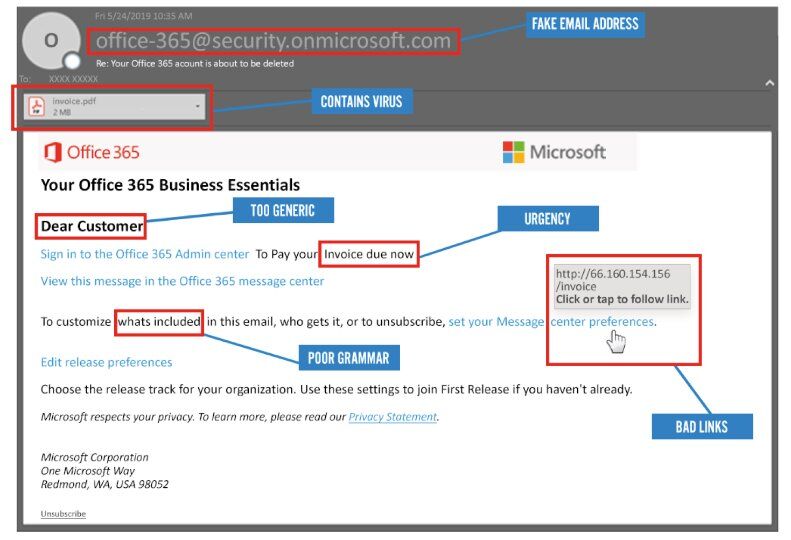
Figure 3. Things to Look Out for in a Possible Phishing Email
What Happens Next?
Now that the attacker has your token, they can then utilise your cookie to access your account. They could send emails from your account, make purchases, or access sensitive information. And since they’re using your token, it’s as if you’re doing all of this yourself. This kind of attack is sneaky because you might not even realize anything is wrong until it’s too late. Unlike traditional hacking, where the attacker breaks in like a burglar smashing a window, token theft is more like someone using your spare key they just walk right in.
How to Protect Yourself: Don’t Get Hooked!
The good news is you don’t have to be a tech whiz to protect yourself from token theft. Here are some simple tips to keep your tokens safe:
- Think Before You Click: If you get an email that seems urgent or fishy (pun intended), take a deep breath before clicking any links. Hover your mouse over the link to see where it’s actually taking you, and if you’re unsure, go directly to the website yourself instead of clicking the link.
- Double-Check the URL: Phishing sites often have URLs that look almost right but aren’t quite. It might be something like “yourbank-security.com” instead of “yourbank.com.” Those small differences matter.
- Use Multi-Factor Authentication (MFA): Even though token theft can bypass MFA, it’s still an important security layer. It’s like locking your doors and windows it makes it harder for the bad guys to get in.
- Stay Skeptical: If something feels off, it probably is. Trust your instincts and verify requests for sensitive information.
In Conclusion: Stay Safe Out There
Token theft might sound like something out of a spy movie, but it’s happening every day to regular folks like you and me. The key to staying safe is awareness. By understanding how token theft works and being cautious about the emails you open and the links you click, you can keep those digital pickpockets at bay. So next time you’re checking your email, remember it’s not just messages you’re opening, it’s potential doors to your online world. Keep them locked tight, and don’t let the bad guys steal your tokens, because once they’re in, it’s like they’re you, but with a much worse sense of humor. Stay safe out there!
If you’re interested in cybersecurity news read our previous post on the largest data leak ever here.


Your blog is a beacon of light in the often murky waters of online content. Your thoughtful analysis and insightful commentary never fail to leave a lasting impression. Keep up the amazing work!